
Bunion Treatment in Manteca, CA
Get relief from bunion pain with advanced, personalized treatment. Serving patients in Manteca, Tracy, Lathrop, Stockton, and Ripon.
Bunions can cause pain, swelling, and difficulty with walking or wearing shoes as the deformity progresses. Our goal is to relieve pain, improve alignment, and help you return to normal activity as quickly and safely as possible.
Same-week appointments available. No referral needed.
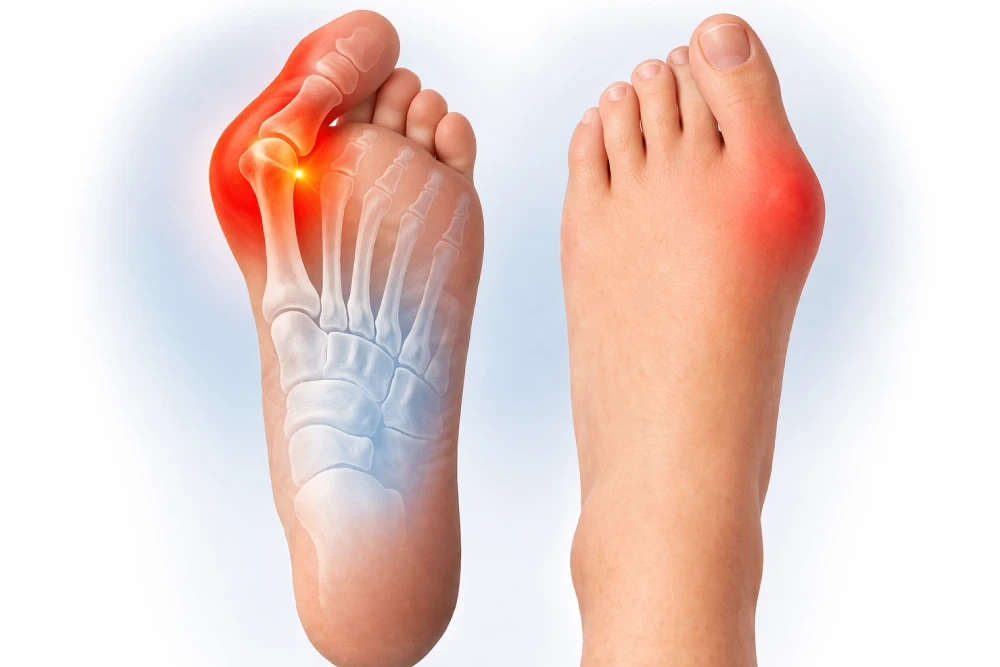
What Is a Bunion ?
A bunion is a progressive deformity of the big toe joint in which the first metatarsal shifts inward while the big toe drifts toward the second toe, creating a prominent bump on the inside of the foot.
Bunions are not simply a cosmetic issue—they represent a structural misalignment involving bones, ligaments, and tendons that can worsen over time.
If left untreated, bunions may progress and contribute to additional problems such as hammertoes, metatarsalgia, and arthritis.
When Should You See a Foot Specialist?
- Pain with walking or wearing shoes
- Difficulty fitting into normal footwear
- Redness, swelling, or irritation
- Progressive worsening of the deformity
- Pain limiting daily activities
Early evaluation can help prevent progression, relieve symptoms, and reduce the need for more extensive surgical correction.
Symptoms of Bunions
- Visible bump on the inside of the big toe joint
- Pain or soreness around the joint
- Redness and swelling
- Difficulty wearing certain shoes
- Calluses or skin irritation
What Causes Bunions?
- Genetic foot structure
- Flat feet or abnormal biomechanics
- Tight or narrow footwear
- Joint instability
- Arthritis affecting the joint
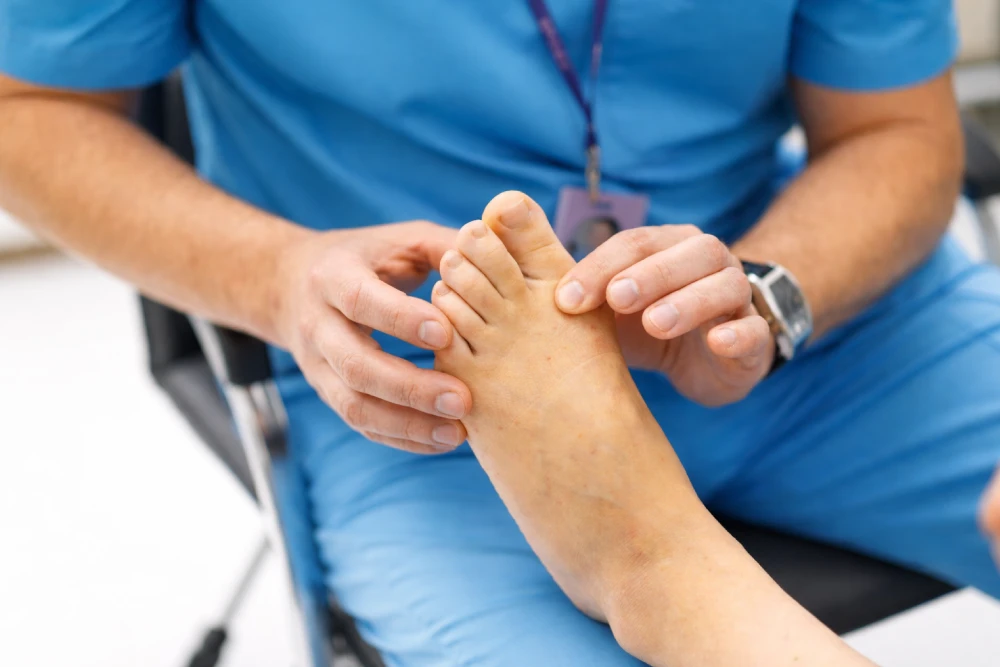
How Are Bunions Diagnosed?
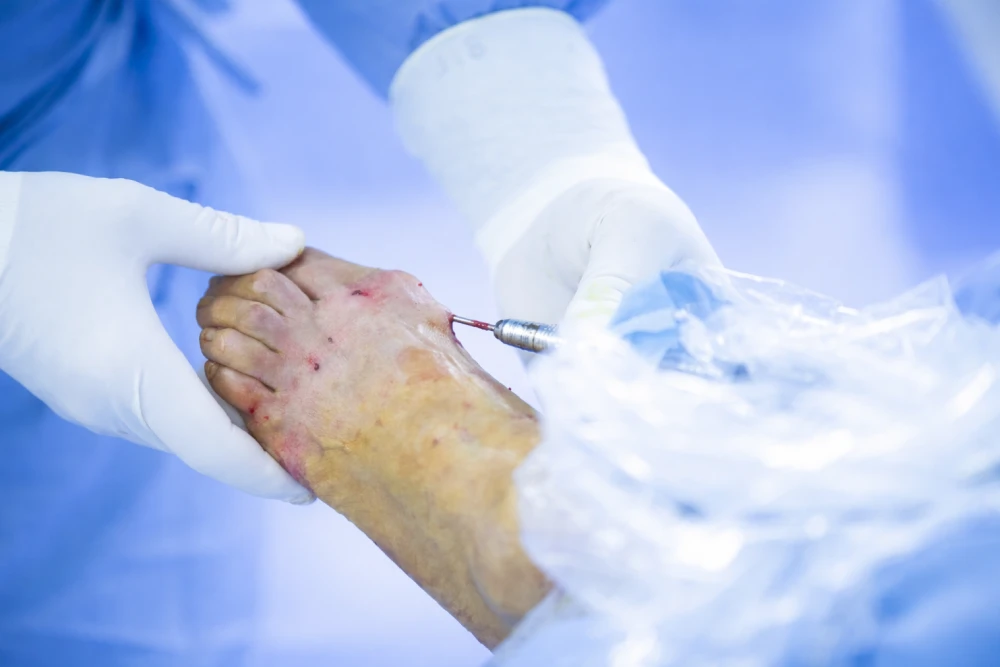
Bunion Treatment Options
Conservative Treatment
- Wider, supportive footwear
- Padding to reduce pressure
- Custom orthotics
- Anti-inflammatory medications
- Activity modification
**These options may help relieve symptoms but do not correct the deformity.
Advanced Treatment Options
- Injection therapy for inflammation
- Bracing or splinting in select cases
Minimally Invasive & Surgical Treatment
For patients with persistent pain or progressive deformity, surgical correction is the most effective treatment.
Minimally invasive bunion surgery allows for:
- Smaller incisions
- Less soft tissue disruption
- Faster recovery
- Improved cosmetic results
Traditional reconstructive procedures may be recommended for more severe deformities to restore proper alignment and function.
Minimally invasive and reconstructive treatment options are available, allowing care to be tailored to each patient’s specific condition.
Why Choose Valley Foot & Ankle Institute?
- Advanced training in forefoot and rearfoot reconstructive surgery
- Expertise in minimally invasive bunion correction
- Focus on long-term correction—not temporary relief
- Personalized surgical and non-surgical treatment plans
- Serving Manteca, Lathrop, Tracy, Stockton, and surrounding communities
Frequently Asked Questions
Yes, bunions are progressive and often worsen without treatment, especially with continued pressure or poor footwear.
Yes. Early treatment with proper shoes, orthotics, and padding can reduce pain and slow progression.
Surgery is considered when pain is persistent, deformity worsens, or daily activities are affected despite conservative care.
Modern techniques, including minimally invasive surgery, significantly reduce pain and recovery time compared to traditional methods.
It can lead to worsening deformity, joint stiffness, and pain in other toes or areas of the foot.